Serving Ashtabula, OH and surrounding areas. (440) 755-8154
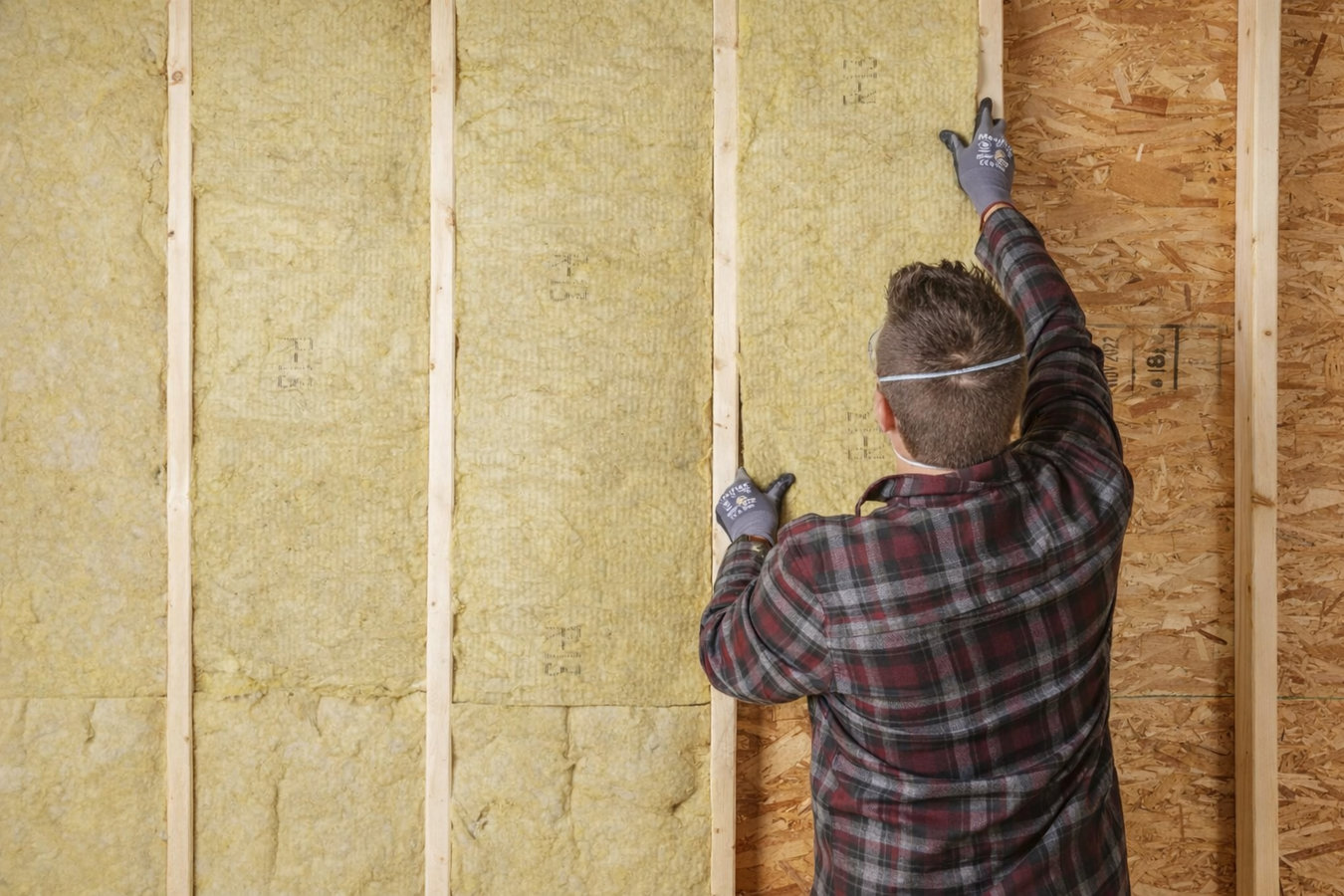
Empty wall cavities are one of the biggest reasons Ashtabula homes lose heat in winter. We fill them without tearing out drywall, so you feel the difference fast.
Wall insulation in Ashtabula, OH fills empty wall cavities to stop heat from escaping through exterior walls, with most jobs completed in a single day without removing drywall. We drill small holes, inject insulation material, then patch every opening - so the work is done before you know it.
A large portion of homes in Ashtabula were built before the 1970s, when wall insulation simply was not standard practice. If your home is from that era, there is a good chance the wall cavities are empty or have far less protection than current standards call for. Cold rooms, drafts near outlets, and heating bills that never improve are all signs the walls need attention. Pairing wall insulation with air sealing services gets you the full benefit - insulation slows heat transfer, but air sealing stops drafts at their source.
The U.S. Department of Energy recommends specific wall R-values for Climate Zone 5, which covers northeast Ohio. A qualified contractor will assess what is currently in your walls and recommend the right material to reach that target.
If your gas or electric bill spikes from November through March and does not improve even after furnace servicing, your walls may be letting heat escape faster than your system can replace it. In Ashtabula, where lake-effect winters are long and cold, this pattern is one of the clearest signs that wall insulation is missing or inadequate.
Hold your hand near an electrical outlet or light switch on an exterior wall on a cold day. If you feel a draft or noticeable chill, cold air is moving through the wall cavity into your living space. This is especially common in Ashtabula's older homes, where walls were built without insulation and gaps around wiring create easy paths for cold air.
If rooms on the north or west side of your home stay noticeably colder than the rest no matter how high you turn up the heat, the walls in those rooms likely have little or no insulation. This is a very common complaint in Ashtabula's older neighborhoods, where insulation was added unevenly over the years or not at all.
On a cold winter day, press your palm flat against an interior surface of an exterior wall. A well-insulated wall should feel close to room temperature. If it feels noticeably cold or damp, heat is moving through the wall too easily - a reliable indicator in Ashtabula's climate that the wall cavity needs attention.
We install blown-in insulation and spray foam for walls, and we recommend based on what is already in your walls, the wall construction type, and whether moisture is a concern. Blown-in is the most practical choice for most older Ashtabula homes - the material pumps through small holes without disturbing plaster walls or original trim. It is also a good fit if you are working with a tighter budget. We often recommend pairing the work with blown-in insulation in the attic at the same time, since the two areas together account for the majority of heat loss in most older homes.
For north and west-facing walls that take the direct force of lake winds, spray foam is often the better call. It fills the cavity and seals air gaps in one step, which matters when wind pressure is constantly pushing cold air through small openings. Every job starts with an in-person assessment so you know exactly which approach is right for your home before we touch a single wall.
Best for homes with enclosed wall cavities - installed through small holes with no drywall removal required.
Best for walls facing lake wind or moisture - seals air gaps and insulates in a single application.
Designed for Ashtabula homes built before 1980 with plaster walls or non-standard construction.
Addresses gaps around outlets, pipes, and framing before or during insulation for full coverage.
Ashtabula sits right on Lake Erie, which puts it in one of Ohio's heaviest lake-effect snow and wind corridors. That persistent cold and wind puts constant pressure on your exterior walls from November through March. Homes with thin or missing wall insulation lose heat fast when the lake wind picks up, and older homes here were built with no insulation at all in most wall cavities. The city's housing stock skews older - many homes date to the early 1900s - so the gap between what these homes have and what current standards call for is significant. Homeowners in Geneva and Conneaut face the same lake-driven conditions and see the same results after wall insulation is installed.
Moisture is another factor that makes the choice of material matter more in this area. Ashtabula's proximity to Lake Erie means higher year-round humidity compared to inland Ohio. Moisture that gets trapped inside wall cavities can lead to mold and rot over time, so the right insulation material and proper installation technique are more important here than in drier climates. A contractor who knows this area will assess your walls for existing moisture before recommending a material, and will choose products that handle the lake climate appropriately. The Insulation Institute provides guidance on material selection for high-humidity regions like northeast Ohio.
When you reach out, we ask a few basic questions about your home and the problem areas you have noticed. We respond to every inquiry within 1 business day and can typically schedule a visit within a few days.
A technician walks through your home and checks the walls from inside and outside. They may use a thermal camera or probe small test holes to confirm what is in the cavities. You receive a written estimate explaining what was found, what is recommended, and the total cost - no obligation to move forward.
The crew drills small holes in the exterior siding or interior drywall, injects insulation into each wall cavity, then patches and seals every hole. Most single-family homes in Ashtabula are completed in one day, and the crew handles all cleanup before they leave.
Before leaving, the crew walks you through the patched areas and provides material usage records. Exterior patches are caulked and primed. Ask to see the documentation - a reputable contractor will show you exactly how much insulation was installed and where.
Free, no-obligation estimate. We respond within 1 business day and come to your home to look at the actual walls before quoting anything.
(440) 755-8154Many homes in Ashtabula were built before the 1970s with plaster walls, original woodwork, and construction details that require careful handling. We know how to work around original materials, patch holes cleanly, and leave your home looking the way it did before we arrived.
You receive a detailed, itemized estimate from a technician who inspected your home in person - not a phone quote. No work begins until you approve what is on paper, and there is never any pressure to commit on the day of the visit.
Most wall insulation jobs on single-family homes in Ashtabula are completed in a single day. The crew arrives with everything they need and leaves with the holes patched, the materials documented, and the work site clean.
The Building Performance Institute sets the national standard for how energy professionals find and fix heat loss in homes. Following BPI-aligned practices means we look at the whole wall system - insulation, air sealing, and moisture - not just the obvious gaps.
Every one of these points comes back to the same thing: we treat your home the way we would want ours treated. Older Ashtabula homes deserve contractors who understand them, and you deserve to know exactly what was done before we leave.
Close the gaps that let cold air bypass your insulation entirely - the step that makes wall insulation work as well as it should.
Learn MoreThe same blown-in technique used in walls applied to attics and floors - one of the most cost-effective upgrades for older Ashtabula homes.
Learn MoreHeating season is long here - the sooner your walls are sealed, the more you save. Call now or request a free estimate online.