Serving Ashtabula, OH and surrounding areas. (440) 755-8154
Lake Erie winds find every gap in your home's shell. We locate the leaks with a blower door test, seal them properly, and retest so you know the work actually worked.
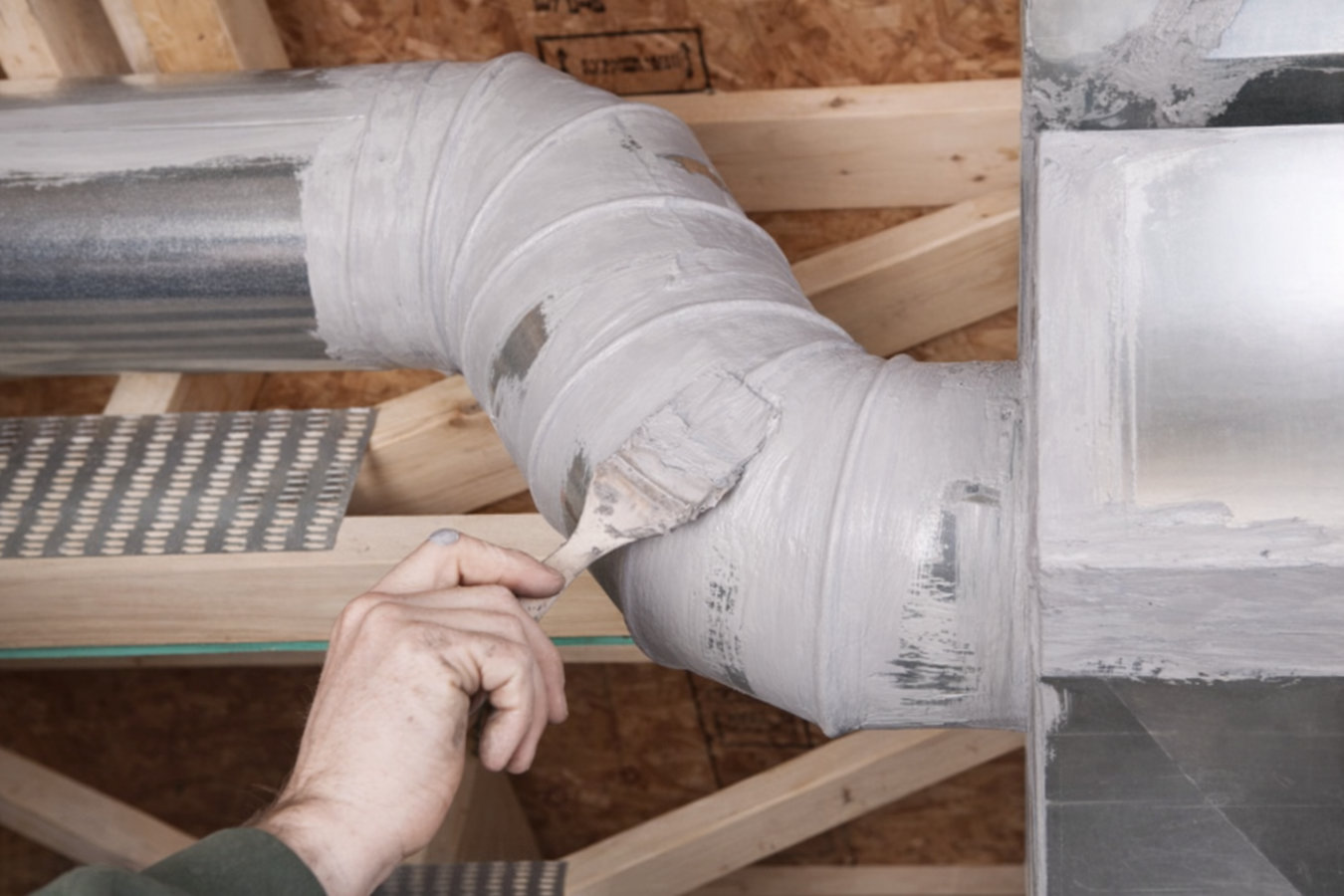
Air sealing services in Ashtabula, OH find and close the small gaps, cracks, and openings in your home where outside air sneaks in and conditioned air leaks out, with most jobs completed in one to two days. These openings are often invisible - hidden in attic floors, around pipes, behind electrical outlets, and along the edges where walls meet floors.
Closing them is one of the most effective things you can do to make your home more comfortable and less expensive to heat. Insulation slows heat transfer, but air sealing stops drafts - you need both to get the full benefit. Many Ashtabula homes that already have some insulation still lose significant heat because air is bypassing the insulation entirely through small gaps. For homes that also need basement insulation, air sealing the rim joists and sill plates at the same time is the most efficient approach.
The U.S. Department of Energy estimates that properly sealing and insulating a home can cut heating and cooling costs by up to 15 percent. In a climate like Ashtabula's, where heating runs hard from November through March, that is a meaningful reduction.
If you feel a chill near the floor when walking through your living room on a cold January night, outside air is finding its way in through gaps at the base of your walls or around your foundation. In Ashtabula, where lake winds push cold air against the north and west sides of homes all winter, this kind of draft is one of the clearest signs air sealing would help.
If one bedroom is always colder than the rest of the house, or if upstairs feels stuffy in summer no matter how long the air conditioner runs, uncontrolled air movement is often the cause. Conditioned air is escaping through gaps before it can do its job, and outside air is replacing it.
Ashtabula winters are long and cold, and heating costs here run higher than much of Ohio. But if your gas or electric bills feel out of proportion - especially in a home built before the 1980s - air leakage is one of the first things worth investigating. A blower door test can tell you exactly how leaky your home is.
If you notice frost on the inside of your attic hatch, condensation on interior walls near the ceiling, or ice dams forming at your roofline after heavy lake-effect snowfall, warm air from inside your home is escaping into cold spaces where it should not be. Air sealing stops that movement at the source.
We start every air sealing job with a blower door test - a controlled measurement of how much air your home leaks before we touch anything. That baseline tells us where to focus first and gives us a target to hit. After the work is done, we run the test again so you can see the improvement in real numbers. We also look at attic air sealing as part of every assessment, since the attic floor is typically the highest-impact air sealing location in an older home - where warm air from the living space escapes directly into the cold attic above.
Beyond the attic, we seal basement rim joists, gaps around plumbing and electrical penetrations, and any other leakage points identified during the blower door test. We use foam, caulk, or rigid blocking depending on the location and size of the gap. Every job includes a ventilation check - because sealing a home tightly is only the right move if the home still gets enough fresh air to stay healthy.
Measures your home's actual air leakage before and after the work - so results are verifiable, not just promised.
Seals the gaps around pipes, wires, and light fixtures in the attic floor where the most heat escapes in older homes.
Closes one of the most common and overlooked leakage locations in older Ashtabula homes - the framing right above the foundation.
A comprehensive approach covering attic, basement, and interior penetrations for homeowners who want the full improvement.
Ashtabula sits on the Lake Erie shoreline, which puts it in Ohio's primary lake-effect snow belt. The city receives heavy snowfall and persistent cold winds from November through March, and that wind pressure pushes cold air through every gap in your home's exterior more aggressively than in an inland city. Homeowners here feel drafts and cold floors more intensely than the heating bill alone would suggest. A significant share of Ashtabula's housing was built before the 1970s - homes constructed with gaps that were simply accepted as normal. That means more leakage to find and seal, but also more opportunity for real improvement. Homeowners we serve in Willoughby and Mentor face the same lake-driven challenges and see consistent results after thorough air sealing work.
Lake-effect snow also creates a moisture risk specific to this area. Heavy snow piles against foundations and siding, and when it melts, moisture can work its way into gaps that were already letting air through. A contractor working in Ashtabula needs to account for moisture alongside air sealing. The Building Performance Institute sets the national standard for how professionals assess and seal homes, including moisture evaluation as part of the process.
When you reach out, we ask about your home's age, whether you have an accessible attic and basement, and what problems you have noticed. We respond within 1 business day and can typically schedule a home assessment within one to two weeks.
A trained technician runs a blower door test - a temporary fan in your doorway that measures exactly how much air your home leaks. While the test runs, they walk through your attic, basement, and main living areas to find where the leaks are. This takes two to three hours and gives you a clear picture of the problem.
After the assessment, you receive a written estimate explaining what was found, what is recommended, and what leakage improvement you can expect. There is no obligation to move forward, and we will not pressure you at any point in the process.
The crew seals gaps in your attic, basement rim joists, and any other identified leakage points using foam, caulk, or rigid blocking. Before they leave, they run a second blower door test and show you the before-and-after numbers so you know the work actually worked.
Free estimate, no obligation. We test your home before and after the work - so you know the job was done right, not just done.
(440) 755-8154We measure your home's air leakage rate before the work starts and again after it is finished. You get real numbers showing the improvement - not just a contractor's assurance that everything is sealed. That accountability is rare, and it matters.
A significant share of Ashtabula's homes were built before the 1970s, when gaps in the structure were simply accepted as normal. We know where those gaps tend to hide in homes from that era - around chimneys, at the tops of interior walls, and along the band joist above the foundation.
You receive a written estimate from the technician who tested your home - not a phone quote. No work begins until you approve what is on paper. If air sealing is not the right fit for your situation, we will tell you that too.
Sealing a home tightly raises a fair question: will the house still get enough fresh air? We evaluate ventilation as part of every air sealing assessment. If your home needs a mechanical ventilation solution, we will let you know before the work begins - not after.
Air sealing is one of those jobs where the difference between good work and poor work is invisible to the eye - which is exactly why we test. You should not have to take our word for it.
Insulate and air-seal the basement walls and rim joists where a large share of a home's air leakage often originates.
Learn MoreTarget the attic floor specifically - the single highest-impact air sealing location in most older Ashtabula homes.
Learn MoreEvery week of drafts is a week of heating dollars leaving through gaps in your home. Call now or request a free estimate - we are ready to help.