Serving Ashtabula, OH and surrounding areas. (440) 755-8154
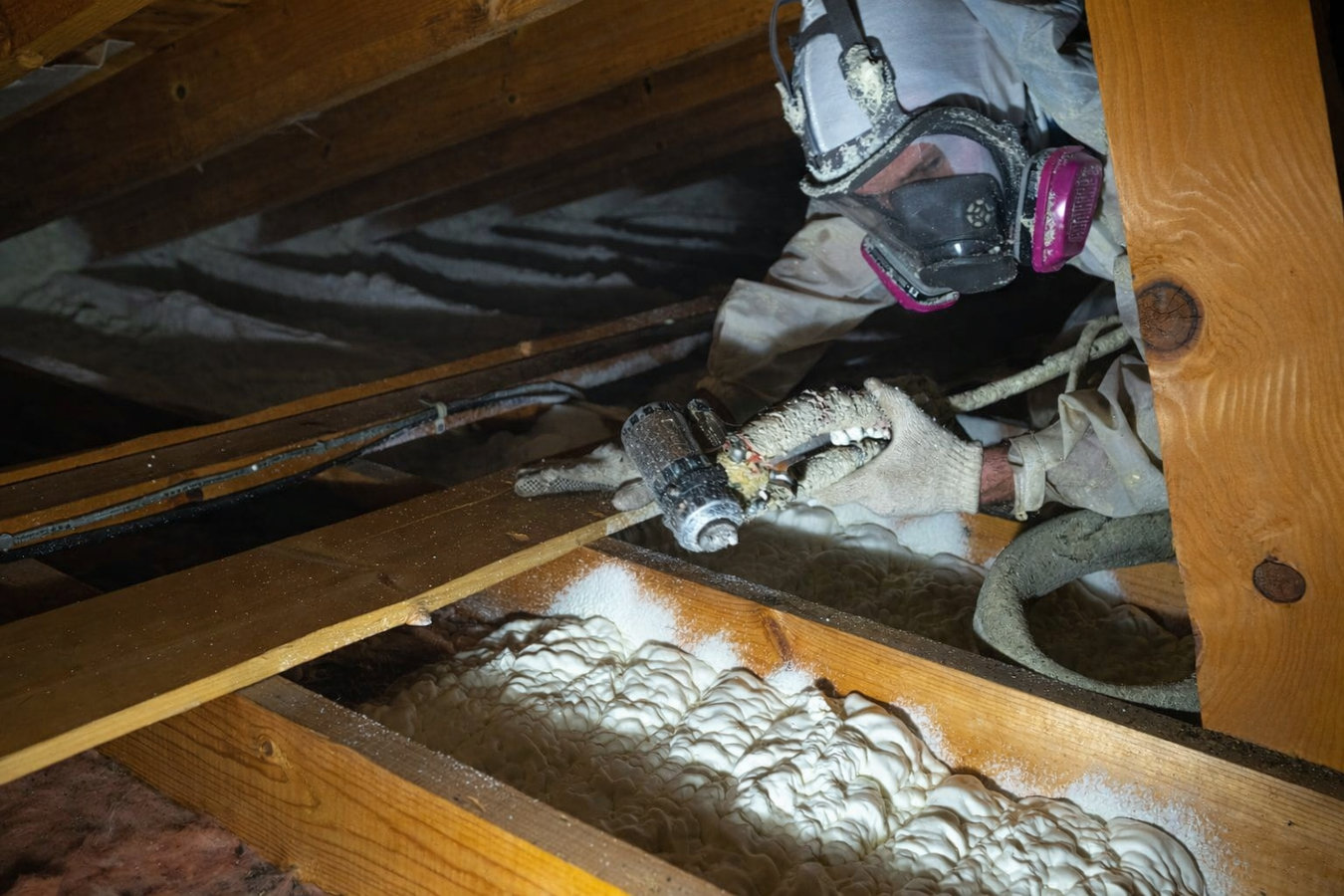
Gaps in your attic floor let heated air pour out all winter. We find and seal every one of them so your home holds heat and your furnace runs less.
Attic air sealing in Ashtabula means finding and plugging the gaps, cracks, and holes in your attic floor that let heated or cooled air escape from your living space - most jobs are completed in two to four hours, and the results show up on your next heating bill. The biggest leaks in most homes are not around windows and doors; they are in the attic, around recessed lights, plumbing pipes, where interior walls meet the attic floor, and other penetrations that have been open for decades.
Insulation and air sealing are different things. Insulation slows heat from moving through surfaces, while air sealing stops air from physically flowing through gaps. You need both - sealing first, then insulating on top - to get the full benefit. Many Ashtabula homeowners who already have insulation in their attic are still losing a significant amount of heat because the gaps underneath that insulation were never sealed. Pairing this service with retrofit insulation delivers the most complete improvement.
If you want to understand the full scope of air leakage in your home - not just the attic - our air sealing services cover rim joists, basement walls, and other areas where conditioned air escapes. The U.S. Department of Energy estimates that sealing air leaks throughout a home can cut heating and cooling costs significantly, with the attic being the highest-impact area in most houses.
If your gas or electric bill climbs sharply each November and you have not changed your thermostat habits, air leaking out of your attic is one of the most likely causes. Ashtabula's lake-effect winters are long and cold, so even moderate air leakage adds up to a significant cost over a five-month heating season.
When air escapes through the attic unevenly, certain parts of the house - especially top-floor rooms or rooms at the ends of the house - end up colder than the rest. If you find yourself closing off a bedroom or piling on extra blankets in one spot, uneven air leakage is a common explanation in Ashtabula's older two-story homes.
In a home with significant air leakage, warm moist air from the living space rises into the attic and hits the cold roof deck, where it freezes. If you have ever peeked into your attic in January and seen frost or ice on the wood, warm air is getting up there when it should not be. Left unaddressed, this can cause wood rot and structural damage.
Insulation that has dark streaks or dirty patches running through it is actually filtering air - meaning air is moving through it rather than sitting still. This is a visible sign that air is flowing through gaps in the attic floor and carrying dust with it. If your insulation looks like this, sealing the gaps underneath will make it work the way it is supposed to.
We seal every penetration in the attic floor - around pipes, wires, recessed light fixtures, where interior walls meet the attic floor, chimney surrounds, and any other opening we find. Foam and caulk are applied to each gap based on its size and location, and we do not skip the hard-to-reach spots near exterior walls and eaves where leakage is often worst. For homes that need it, we offer a full attic floor sealing package that addresses every penetration in one visit.
For homeowners who want the most complete result, we also offer attic air sealing paired with a retrofit insulation upgrade - sealing first, then adding new insulation on top so both problems get fixed at once. Homeowners dealing with broader air leakage throughout the house can also ask about our full-home air sealing services, which extend beyond the attic to rim joists and other leakage points. The right approach depends on your home's age, existing insulation, and where the leakage is worst.
Every penetration across the entire attic floor gets sealed - pipes, wires, light fixtures, wall tops, chimney surrounds. The complete approach for homes with multiple leakage points.
Focused sealing of the highest-impact leakage points - recessed lights, top plates, and plumbing stacks - for homes with fewer gaps or tighter budgets.
Sealing first, then adding new insulation on top. The combination that delivers the best results, especially in Ashtabula's older housing stock where both air leakage and thin insulation are common.
Ashtabula sits right on Lake Erie, which means it gets hit with lake-effect snow and prolonged cold stretches that push heating systems hard from November through March. When your attic has gaps, that cold air pours in and your furnace runs almost constantly trying to keep up. A large share of Ashtabula's homes were also built before the 1970s, when builders were not thinking much about air sealing at all. Older homes tend to have more penetrations, more settling-related cracks, and original construction details that leave significant gaps around chimneys, plumbing stacks, and wall cavities - which means more savings potential than you would find in a newer subdivision. Homeowners we serve in Conneaut and Geneva face the same lake-effect conditions and older housing challenges.
Because Ashtabula gets significant moisture from Lake Erie, attic air sealing also has to be done carefully to avoid trapping humidity inside the attic structure. A contractor who seals without understanding ventilation can accidentally create conditions where moisture builds up and damages wood framing over time. That is why we check attic ventilation as part of every job - soffit and ridge vents need to be functioning correctly before we finish the work. Getting this right is especially important in homes near Ashtabula Harbor where lake humidity is more persistent throughout the year.
When you reach out, we will ask about your home - its age, whether you have had any insulation work done, and what is prompting you to call. We respond to every inquiry within 1 business day and schedule a visit that works for you.
We get into the attic and look at what is actually there - how much insulation exists, where the main leakage points are, and whether any prep work is needed first. You get a written estimate based on what we see, not a guess made over the phone.
The crew accesses the attic, moves existing insulation as needed, and applies foam or caulk to every gap - around pipes, wires, light fixtures, wall tops, and chimney surrounds. Most jobs are done in two to four hours.
Once the work is done, we walk you through what was sealed and why. There is no curing time - your home is fully usable immediately. If a before-and-after air leakage test was performed, we share those results so you have a record of the improvement.
Free estimate, no obligation, written quote before any work starts.
(440) 755-8154We back every job with a written scope and a walkthrough when we finish. You know exactly what we are doing before you commit to anything, with nothing left vague.
A thorough job means every gap in the attic floor gets sealed - not just the obvious ones near the hatch. We work through the entire attic floor, including the spots near exterior walls and chimneys that other crews often skip.
Sealing an attic floor without checking ventilation can cause moisture problems. We verify that soffit and ridge vents are functioning before we finish the job - because getting this right matters as much as the sealing itself.
We have been working in Ashtabula and surrounding communities since 2019. We know the older housing stock here, the lake-effect climate conditions, and the specific leakage patterns common in homes built before the 1970s.
Proper attic air sealing is not complicated, but it does require doing it completely - every penetration, every corner, every spot near a wall top or light fixture. That thoroughness is what separates a job that makes a real difference from one that just checks a box. We back our work with a written scope, a walkthrough when we are done, and full documentation of the job that gives you a clear record if something falls short. The Building Performance Institute sets the national standard for this type of work, and we follow those guidelines on every job.
Add insulation on top of sealed gaps to complete your attic's thermal envelope - the two services together deliver the biggest improvement in comfort and energy costs.
Learn MoreWhole-home air sealing addresses leakage points beyond the attic - rim joists, basement walls, and other areas where conditioned air escapes.
Learn MoreAshtabula's heating season starts early - call today to lock in your appointment and stop paying to heat a leaky house this November.